The Smithsonian National Museum of African American History and Culture (NMAAHC), located on the National Mall in Washington, D.C., serves as an institution dedicated to illuminating the rich and complex history of African Americans in the United States. Since its opening in 2016, the museum has become a cornerstone for education, remembrance, and understanding of the African American experience, drawing millions of visitors from across the nation and around the world.
The Smithsonian National Museum of African American History and Culture (NMAAHC), which opened its doors in September 2016, stands as a testament to the complex, rich, and often painful tapestry of African American history. It preserves and tells the stories of the struggles, triumphs, creativity, and resilience of Black Americans—from slavery and the fight for civil rights to present-day achievements and challenges. As one of the most prominent museums on the National Mall, its exhibits have frequently drawn attention, discussion, and at times, controversy. In recent years, the intersection of politics and historical interpretation has become ever more visible, especially when figures such as President Donald J. Trump publicly question, critique, or challenge aspects of cultural institutions like the NMAAHC.
The NMAAHC is the only national museum devoted exclusively to the documentation of African American life, history, and culture. The museum’s exhibits include artifacts ranging from Harriet Tubman’s shawl and Nat Turner’s Bible, to the dress worn by Rosa Parks and the track shoes of Olympian Carl Lewis. Interactive displays cover topics such as the Transatlantic Slave Trade, the Harlem Renaissance, the Civil Rights Movement, and contemporary Black culture from music to sports. The museum has played a critical role in shaping national conversations about race, identity, and the legacy of slavery and segregation in America.
Since its opening, the NMAAHC has attracted millions of visitors, including politicians from both sides of the aisle. Donald Trump has made statements about how American history is taught and presented, particularly in relation to issues of race. Trump has spoken out against what he describes as “revisionist” history and has emphasized the importance of “patriotic education.” He has criticized various educational curriculums and museum exhibits that, in his view, either overemphasize the country’s faults or understate its successes.
Trump’s criticisms of the NMAAHC, have typically centered on specific exhibits or representations he believes to be misleading, divisive, or damaging to America’s image. He has argued that the museum’s focus on slavery, segregation, and oppression risks overshadowing stories of progress, national unity, and the contributions of Americans of all backgrounds. In public remarks and social media posts, Trump has contended that some exhibits “paint the country in a negative light,” and has called for “balanced” portrayals that highlight positive developments alongside painful histories. This specious argument is essentially the racialized equivalent of his infamous “good people on both sides” hot take after the Charlottesville Unite the Right Rally in 2017.
These comments have generally been received as part of a broader political debate about how U.S. history should be interpreted and presented in public institutions. Supporters of Trump’s position claim that American museums, including the NMAAHC, should do more to promote national pride and unity. Critics counter that confronting the darker aspects of America’s past is essential for justice, reconciliation, and understanding the full scope of American identity.
Let’s be serious. This Trumpian view amounts to, pardon the pun, whitewashing the story of American History. We cannot (and will not) just pretend chattel slavery never happened, or that Jim Crow and the Ku Klux Klan were not a thing, or that the Civil Rights Movement didn’t alter the course of not just our national discourse, but the way Americans live their day-to-day lives. The Trumpian way, as enunciated by some of his more powerful sycophants, promotes, among other things, fostering a narrative in textbooks that emphasizes how Blacks benefitted from slavery, rather than how America benefitted from slavery. Woosah!
In recent weeks, news reports have surfaced stating that Trump has publicly called for the removal of certain exhibits at the NMAAHC, labeling them as “racist.” This assertion has sparked a nationwide debate regarding museum curation, historical narratives, and the intersection of politics and public memory.
Such calls for the removal of exhibits based on accusations of racism raise questions about censorship, historical erasure, and the boundaries of public engagement with the past. While the debates continue, it is clear and compelling that museums must remain places for honest confrontation with history, fostering dialogue and understanding across generations.
Museums play a critical role in shaping collective memory and public understanding. By curating artifacts, stories, and perspectives, they help visitors grapple with complex questions about identity, justice, and belonging. The NMAAHC, in particular, offers a space for reflection, healing, and inspiration, serving as both a testament to struggle and a beacon of hope.
The Smithsonian Institution has not indicated any intention to remove or alter exhibits at the NMAAHC. In statements to the press, museum officials have reiterated their commitment to historical accuracy, educational value, and the importance of fostering dialogue about race, identity, and justice.
Some political commentators and members of the public have expressed support for Trump’s position, contending that museum displays should be mindful of fostering unity and pride in national heritage, rather than highlighting divisions or injustices. However, many historians, educators, and civil rights leaders have condemned Trump’s remarks, asserting that confronting uncomfortable aspects of history is necessary for societal growth and reconciliation. They argue that the museum’s exhibits are designed to contextualize racism, not perpetuate it, and that understanding both the painful and triumphant chapters of American history is vital for building a more inclusive future.
The debate over how museums portray the history of racism is not new. Institutions across the country have faced criticism from various quarters, with some arguing that certain exhibits are too graphic, accusatory, or political, while others insist that sanitized versions of history do a disservice to both the victims and the perpetrators of injustice.
Proponents of comprehensive historical displays maintain that museums like NMAAHC serve an essential role in presenting unvarnished truths, encouraging empathy, and inspiring action against ongoing discrimination. They emphasize that labeling artifacts, narratives, or exhibits as “racist” due to their content or message misunderstands the educational purpose of museums.
The controversy over Donald Trump’s remarks regarding the Smithsonian National Museum of African American History and Culture highlights the enduring tensions in how Americans interpret and present their shared history. While opinions differ on the appropriate boundaries of museum exhibits, the need for thoughtful, fact-based, and empathetic engagement with the past remains paramount.
As institutions like NMAAHC continue their vital work, the hope is that public discourse will move beyond accusations and division, toward deeper understanding and appreciation of the myriad stories that frame the nexus of the African Diaspora and the American experience. Moreover, if there is one certainty, it is that the answer is not Trump’s stated goal of making the NMAAHC and other Smithsonian Museums comport with his version of American History. That would not only be ahistorical; even worse, it would be a straight-up travesty. “Trump Calls for Removing Exhibits at the Smithsonian National Museum of African American History and Culture: He Labeled Them Racist!”
I’m done; holla back!
Read my blog anytime.
A new post is published each Wednesday.
(Large Language model-based writing assistant AI Tool was used composing this post).
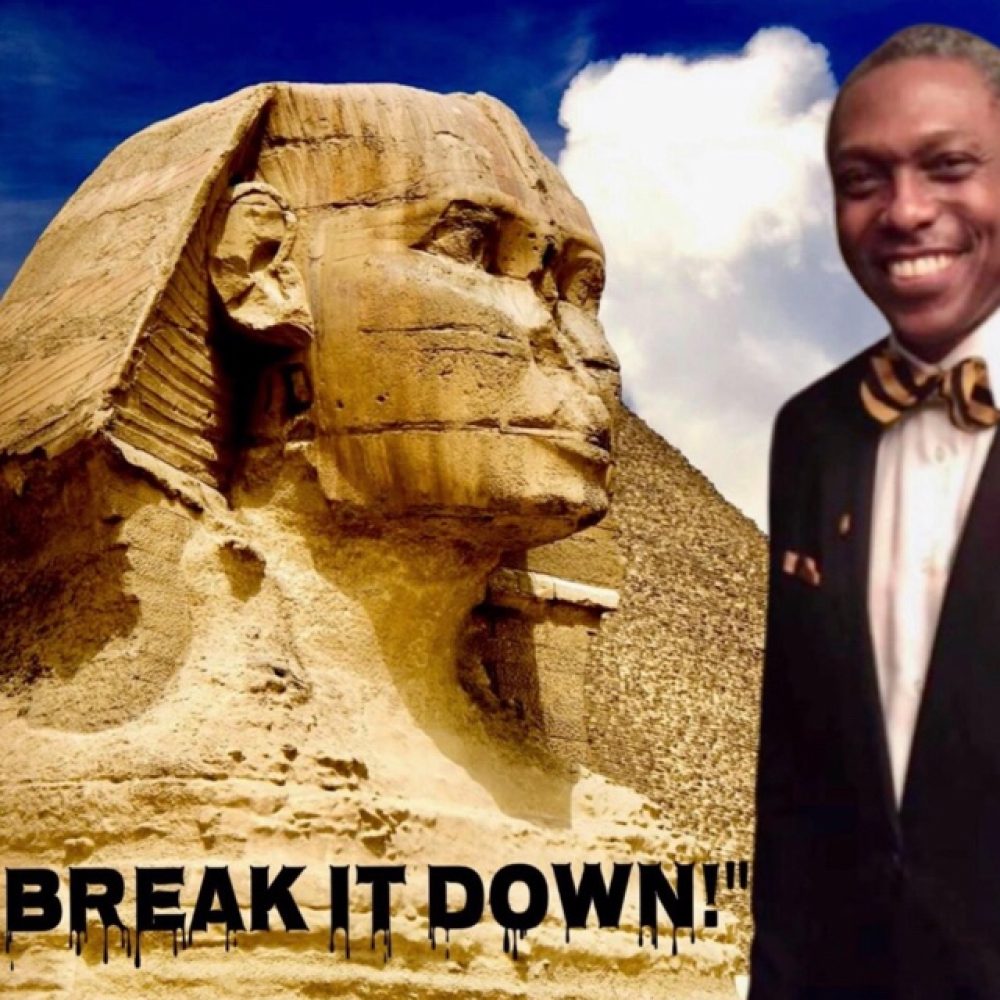
 BREAK IT DOWN!