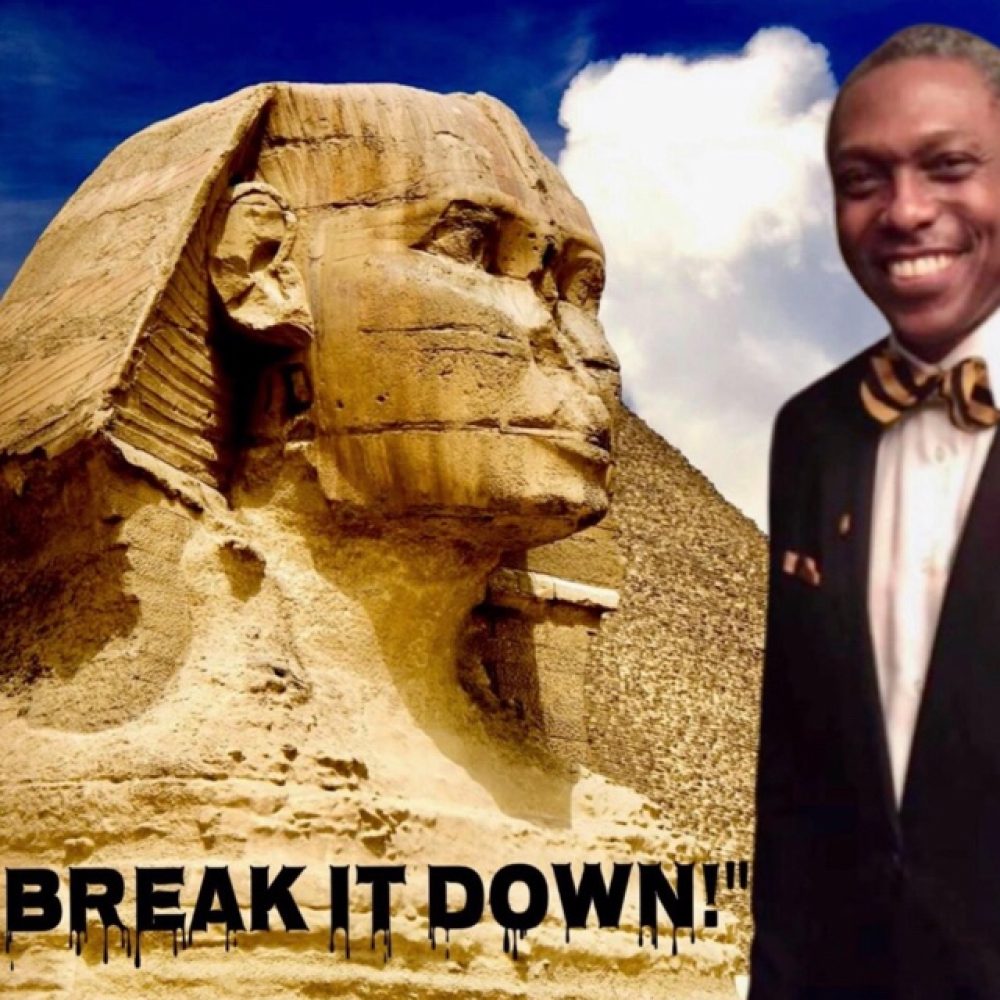
BREAK IT DOWN!
The White House’s official social media account posted a photo of President Donald Trump standing alongside Britain’s King Charles III and captioned it: “TWO KINGS.” With a single line (and a crown emoji), a routine image from a diplomatic visit instantly became a cultural Rorschach test—read by supporters as humor and by critics as something more pointed, and decidedly ominous.
The timing, as always, mattered. King Charles’ trip came wrapped in ceremony—greetings, speeches, and the pageantry and pomp that follows a monarch abroad—while American politics at home has been simmering with arguments over executive power, democratic norms, and the language leaders use to describe themselves. Set against that backdrop, “Two Kings” didn’t land as a neutral joke; it landed as a message…explicitly distinct, and wildly divergent.
In the United Kingdom, “King” is a constitutional role tied to tradition and heredity. In the United States, it’s a warning label—etched into the country’s origin story and its suspicion of concentrated power. That’s but one of the reasons why the phrase can feel jarring, when applied to an elected president, even as metaphor. And let’s be clear, many Americans do not believe for a nanosecond that there is even a scintilla of jest, or metaphorical nature associated with the principal occupant of 1600 Pennsylvania Avenue making comments about being a king. It collapses two very different kinds of authority into one punchline, and it invites the public to argue over whether that collapse is harmless branding or an intentional provocation.
It also imposes a collision with the slogan that has shown up at rallies and on signs: “No Kings.” For opponents of everything Trump, the language of monarchy is shorthand for fears about an “imperial presidency.” For all-in supporters, it’s often used ironically—as an eyeroll at critics, or a boast about strength and dominance. When an official government account steps into that arena, it blurs lines: between governance and campaigning, between state communication and internet trolling, and between viscerally competing narratives of saving America.
There’s a diplomatic cost to that blur, too. Visits like this are usually meant to highlight shared interests—security, trade, alliances, and the long, complicated history between two close nation state partners. But social media rewards the sharp caption over the substantive agenda. “Two Kings” dominated the conversation because it was designed to: it’s short, loaded, and impossible to ignore.
Whether you saw the post as playful (own the libs) or provocative (he seriously wants to be a King), it’s a reminder that in a Faulkner-ish, “The past is never dead. It’s not even past” kind of way, symbolism is never “just” symbolism when it comes from an institution with the imprimatur of the Office of the President. A White House account doesn’t speak like a private citizen; it speaks with the weight and gravitas of the Presidency…(or the would be King). And when it chooses the language of crowns, it shouldn’t be surprising that the public responds by asking the question America has asked since its founding and rejection of King George III: who holds power—and how should they talk about it? “Two Kings: Sleep at Your Own Peril!”
I’m done; holla back!
Read my blog anytime by clicking the link: http://thesphinxofcharlotte.com. Find a new post each Wednesday.
To subscribe, click on Follow in the bottom right-hand corner of my Home Page at http://thesphinxofcharlotte.com; enter your e-mail address in the designated space, and click on “Sign me up.”
Subsequent editions of “Break It Down” will be mailed to your in-box. For more detailed information on a variety of aspects related to this post, consult search engines for more information on the subject.

